

How to Plan a Long-Distance Move from Pittsburgh
A long-distance move from Pittsburgh changes the stakes of every decision you make - from the company you hire to the timeline you follow. Whether you are relocating for work, retiring closer to family, or starting fresh in another state, the logistics of moving hundreds or thousands of miles are nothing like a crosstown move.
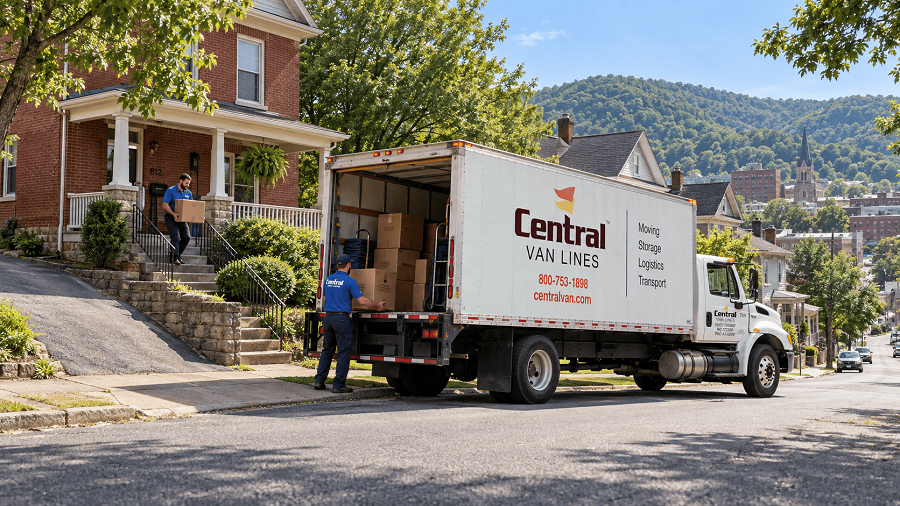
Pittsburgh residents deal with a unique set of challenges when planning an interstate move. Steep hills, narrow residential streets, and older homes with tight stairwells make loading day harder than most cities. Add in the coordination of a multi-day transit window, and small oversights can turn into expensive problems. This guide walks through the full planning process so you know what to expect, what to ask, and where to start.
What Counts as a Long-Distance Move
In the moving industry, any move over 100 miles is typically classified as long-distance. Moves that cross state lines are called interstate moves and fall under federal regulation by the Federal Motor Carrier Safety Administration (FMCSA). That distinction matters because interstate movers must carry an active USDOT number, maintain minimum insurance levels, and follow specific rules about how they estimate and bill for services.
A move from Pittsburgh to Philadelphia, for example, is still intrastate even though the distance is roughly 300 miles. A move from Pittsburgh to Columbus, Ohio - about 185 miles - crosses a state line and becomes an interstate move. The regulatory requirements are different, and not every local mover is licensed for both.
Before you start getting quotes, confirm whether your move is intrastate or interstate. That answer determines which companies are eligible to handle it. You can verify a mover's USDOT registration and complaint history on the FMCSA's
SaferSys database.
Central Van Lines holds active USDOT authority and is licensed for both intrastate and
interstate moves from Pittsburgh.
How Long-Distance Moves Are Priced
Local moves are priced by the hour. Long-distance moves work differently - they are priced by weight and distance. The moving company weighs the truck before and after loading your belongings, and the difference is your shipment weight. That weight, multiplied by a per-pound rate based on the distance of your move, becomes the base cost.
Several factors influence the final price beyond weight and miles:
- Packing services increase cost but reduce the risk of damage and the time you spend preparing. Full packing for a three-bedroom home typically adds between $500 and $1,500 depending on the volume and fragility of your belongings.
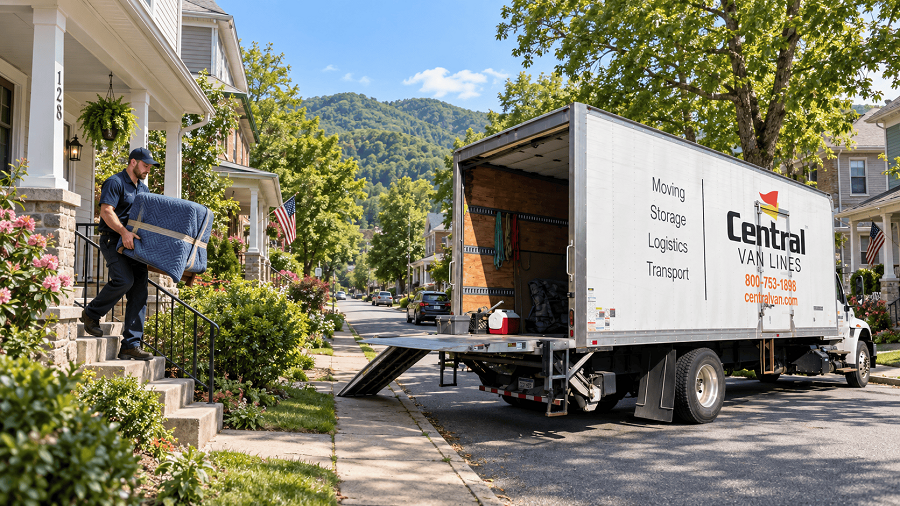
- Stair carries, long carries from the truck to your door, and shuttle services for locations where a full-size truck cannot park all add fees. In Pittsburgh, this comes up often - many neighborhoods in the South Hills, Mount Washington, and the East End have narrow streets and steep approaches that require planning.
- Storage-in-transit is common when your move-out and move-in dates do not align. Your belongings go into a warehouse at either the origin or destination until your new home is ready. Central Van Lines offers short-term and long-term storage for exactly this situation.
- Specialty items like pianos, safes, and large antiques require additional handling and often cost extra. Ask about these during the estimate process - not on moving day.
The Difference Between Binding and Non-Binding Estimates
How your estimate is structured determines whether your final bill can change. There are two main types.
- A binding estimate guarantees the total price based on the inventory and services listed on the estimate. If the actual shipment weight comes in higher than expected, you still pay the agreed amount. If it comes in lower, you pay the lower amount under a binding-not-to-exceed agreement.
A non-binding estimate is the carrier's best guess based on the inventory you describe. If the actual weight or services differ on moving day, your final cost adjusts. Non-binding estimates can go up or down.
For a deeper breakdown of how these work and which one protects you better, read our guide on
binding vs. non-binding estimates.
The key takeaway: get an in-home or virtual survey before committing. Estimates based on a phone call and a rough item count are less accurate and more likely to result in surprise charges.
Building a Moving Timeline
- Long-distance moves from Pittsburgh require more lead time than local moves. Here is a general timeline that works for most households:
Eight to ten weeks before your move, start researching moving companies. Get at least three in-home estimates. Check USDOT numbers, read reviews, and ask about insurance coverage. - Six weeks out, confirm your moving company and lock in your date. Request a binding or binding-not-to-exceed estimate. Begin decluttering and decide what you are not taking with you - every pound you cut from the shipment saves money.
- Four weeks out, start packing non-essential rooms. Notify your utility companies, forward your mail with USPS, and transfer or close local accounts. If you are moving with children, request school records and research enrollment deadlines at your destination.
- Two weeks out, confirm the move details with your carrier. Pack the remaining rooms except for essentials you will need through moving day. Disassemble furniture that needs to be broken down.
- Moving week, do a final walkthrough. Label every box by room and priority. Set aside a bag of personal essentials - documents, medications, chargers, a change of clothes - that travels with you in the car, not on the truck.
What to Look for in a Long-Distance Moving Company
Choosing the wrong carrier for a long-distance move is far more consequential than a bad local move. Your belongings will be in transit for days, and you will not be standing next to the truck the entire time. Here is what to evaluate.
- Licensing and insurance come first. An active USDOT number is non-negotiable for interstate moves. Ask about valuation coverage - the default is released value protection at $0.60 per pound, which means a 50-pound television that is destroyed would only be covered at $30. Full-value protection costs more but covers the actual replacement value.
- Experience with Pittsburgh loading conditions matters. Movers who are not familiar with Pittsburgh's topography and street layouts will struggle with tight turns, steep driveways, and limited truck access. A crew that has loaded homes in Squirrel Hill, Shadyside, and the North Side before will move faster and cause less damage.
- Transparent communication is the third piece. Your moving company should be reachable before, during, and after the move. Ask how they handle delays, damaged items, and schedule changes.
Central Van Lines has been handling
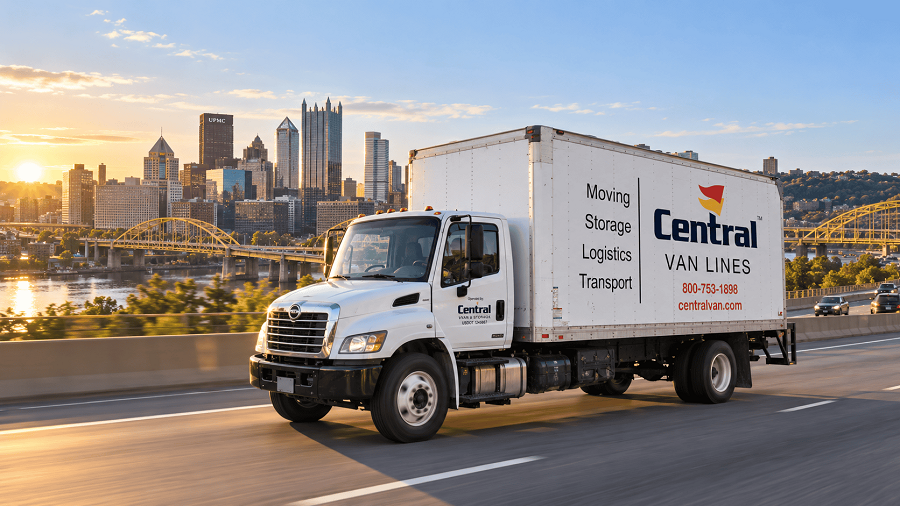
long-distance moves from Pittsburgh for over 25 years. As a family-owned company with roots in Pittsburgh and offices across Pennsylvania, West Virginia, and Ohio, the crew is familiar with the specific challenges of loading in this city.
Common Mistakes That Increase Long-Distance Moving Costs
A few avoidable errors drive up the cost of most long-distance moves.
- Underestimating your inventory is the most common one. People forget about attics, garages, sheds, and storage units. If items that were not on the original estimate show up on moving day, the price changes.
- Waiting until the last minute to book is another. Summer is peak moving season nationwide, and Pittsburgh is no exception. Carriers fill up, and rates climb. Booking eight to ten weeks ahead gives you more options and better pricing.
- Skipping insurance upgrades is a risk that does not pay off when something goes wrong. Long-distance moves involve more handling, more transfers, and more road time. The default coverage is minimal.
- Not labeling boxes properly costs time and money at the destination. Movers charge by the hour for unloading in some arrangements, and confusion about which box goes in which room slows everything down.
How Pittsburgh's Geography Affects Loading Day
Pittsburgh is not a flat grid. The city's terrain directly impacts how moving day plays out, especially for long-distance moves where the truck needs to be loaded efficiently for a multi-day haul.
Homes in Mount Washington, Troy Hill, and parts of the South Side Slopes may require shuttle trucks - smaller vehicles that carry loads from your home to a larger truck staged on a nearby main road. This is standard practice, but it is an added cost and an added step.
Neighborhoods like Lawrenceville, Bloomfield, and the Mexican War Streets have tight on-street parking. Movers may need to park the truck a block or more away, which increases carry distance and loading time.
If your home has a steep driveway, narrow stairwell, or limited curb access, mention it during the estimate. A good moving company will factor these conditions into the price and the plan - not discover them on moving day.
FAQs - Long-Distance Moving from Pittsburgh
How much does a long-distance move from Pittsburgh cost?
Costs vary based on shipment weight, distance, and services. A two-bedroom household moving from Pittsburgh to Charlotte, NC - roughly 460 miles - typically ranges from $3,000 to $6,000 for a full-service move. Heavier shipments and longer distances push the cost higher. The most accurate way to budget is with an in-home survey.
How long does a long-distance move take?
Transit times depend on mileage and carrier scheduling. A move from Pittsburgh to a destination within 500 miles usually takes two to four business days for delivery. Moves over 1,000 miles can take five to ten business days. Ask your moving company for a delivery window and get it in writing.
Can I pack some things myself and have movers handle the rest?
Yes. Most long-distance movers offer partial packing where the crew packs fragile or complex items - glassware, artwork, electronics - and you handle the rest. Keep in mind that items you pack yourself may have limited damage coverage, so ask about the policy before deciding.
Do I need to be present at both locations?
You should plan to be present at both the origin and destination, or designate someone with authority to act on your behalf. At loading, you will review the inventory and sign the bill of lading. At delivery, you will check for damage and sign off on the shipment.
What happens if my new home is not ready when the truck arrives?
Storage-in-transit is the standard solution. Your belongings go into a secure warehouse until your new home is ready. Central Van Lines provides storage options across Pennsylvania, West Virginia, and Ohio so your shipment stays close to your destination.
Start Planning Your Long-Distance Move
A long-distance move from Pittsburgh takes coordination, the right carrier, and a realistic timeline. The earlier you start planning, the more control you have over the process and the cost.
Central Van Lines is a licensed, insured, and family-owned
Pittsburgh moving company with the equipment and experience to handle moves across the country. Request a free quote to start building your plan.