


Blog
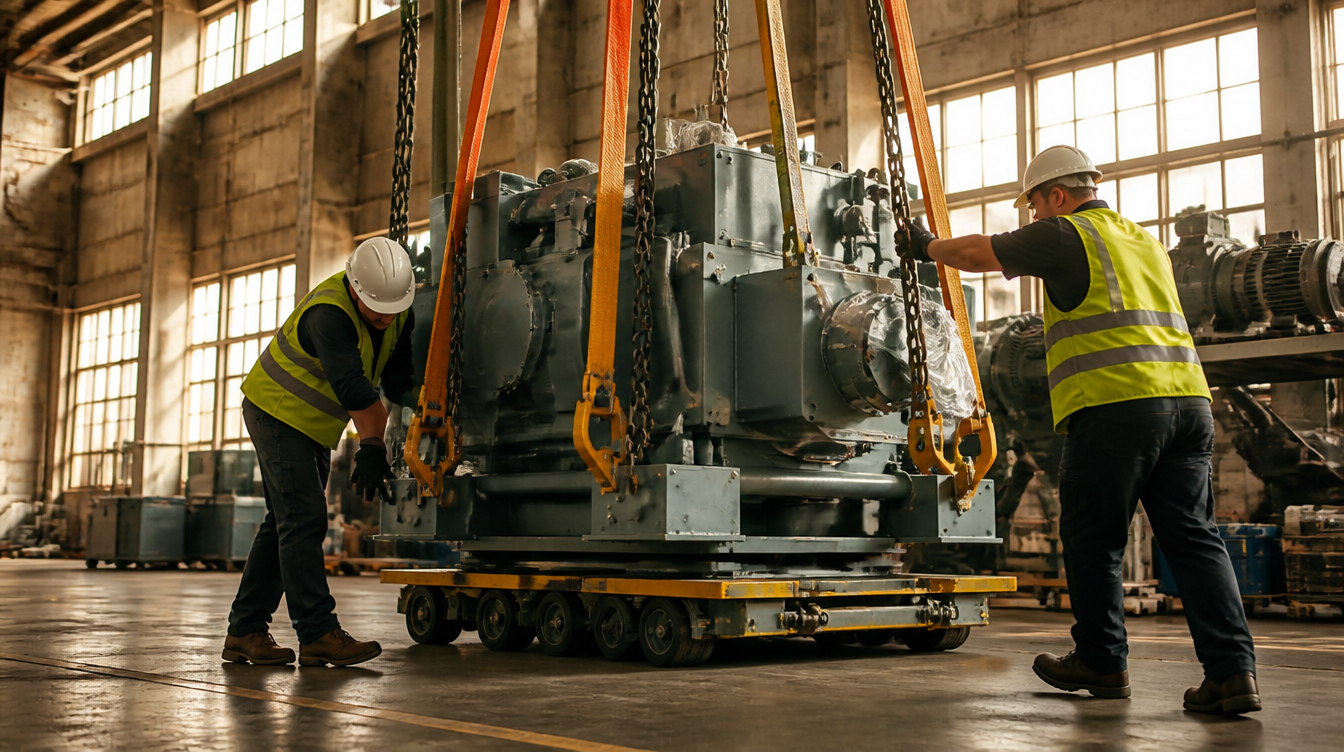
Moving heavy machinery is where an industrial relocation is either finished cleanly or turned into a costly recovery job. A CNC machine, a press, a large compressor, or a production line is not simply heavy. It is a precision asset that has to come off its foundation, travel intact, and be set, leveled, and reconnected so it runs exactly as it did before. The difference between a machine that produces on day one and a machine that limps back into service over weeks usually comes down to the crew, the rigging, and the plan. This guide covers how heavy equipment is moved safely, from de-installation and load-out through transport and reassembly on the new floor.

A medical or lab facility relocation carries stakes that a standard office move does not. Patient care cannot pause for a weekend, temperature-sensitive samples cannot sit on a warm dock, and a piece of diagnostic equipment that arrives out of calibration is not just an inconvenience, it is a facility that cannot open. Moving a clinic, a research lab, or a diagnostic center in Pittsburgh means planning around three constraints at once: an unbroken chain of custody for regulated and sensitive materials, safe handling of equipment that is both heavy and delicate, and a downtime window measured in hours rather than days. This guide covers how a healthcare or laboratory move is planned so the facility reopens on schedule and compliant.

A distribution center relocation is a logistics problem before it is a moving problem. Every day the operation is dark is a day orders do not ship, and for a business that fulfills to customers or retail partners, that gap is felt immediately down the line. The instinct is to move fast and reopen quickly, but speed is not the goal. Continuity is. The distribution centers that relocate well are the ones that treated the move as a phased operation, kept the highest-velocity inventory shipping throughout, and stood up the new floor before the old one closed. This guide covers how to plan a warehouse move that protects fulfillment, from mapping your SKUs to running both sites in parallel during the transition.
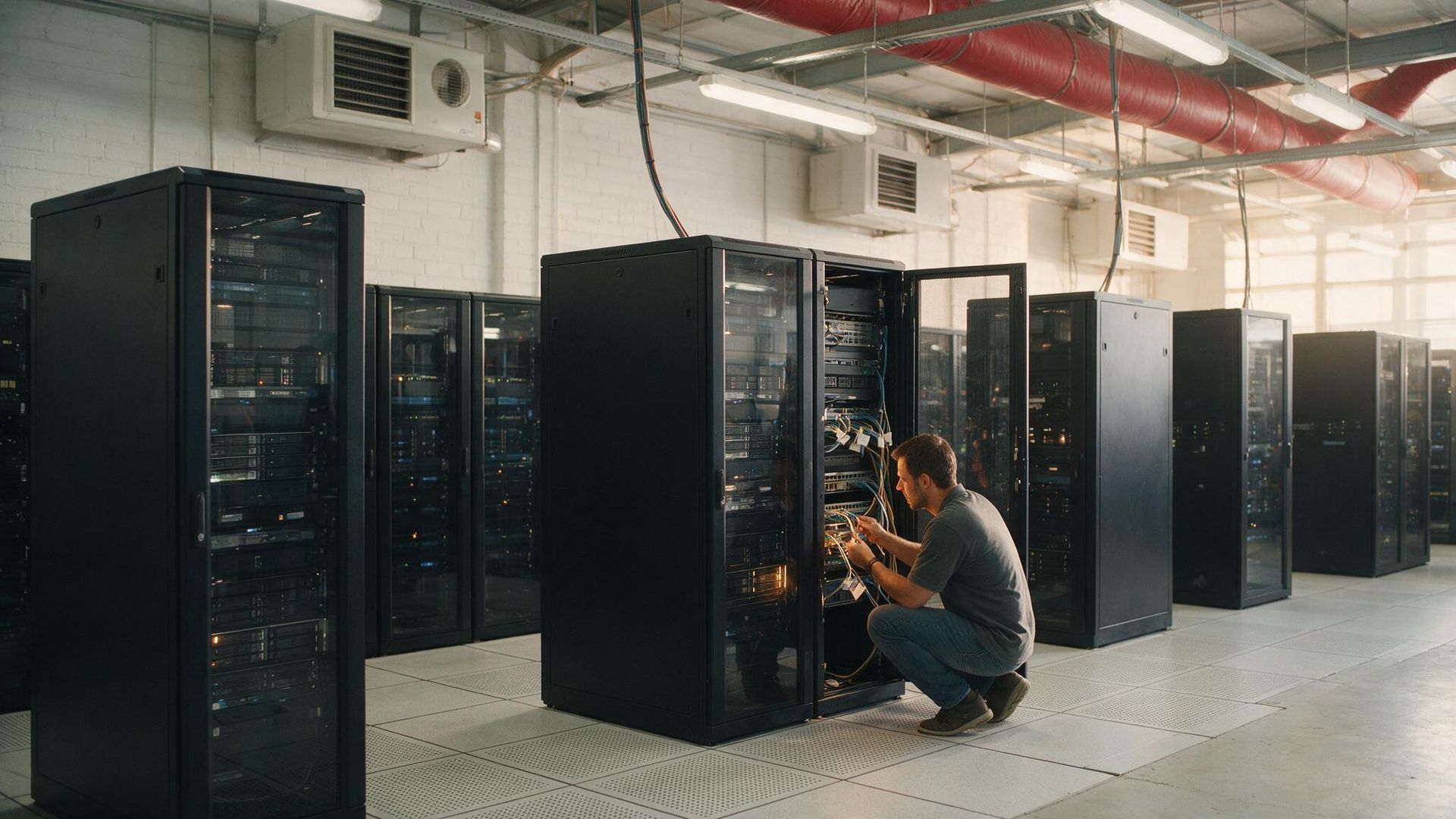
A data center relocation is one of the few moves where a dropped box can take a business offline. When you are planning a data center or server room move, the risk is not the furniture. It is the sequence: which racks power down first, which circuits come up last, and whether the applications that ran cleanly on Friday still talk to each other on Monday. Most failed moves are not caused by damaged hardware. They are caused by missing documentation, an unlabeled cable, or a cutover that started before anyone confirmed the target environment was ready. This runbook walks through the planning that keeps a move predictable, from the first inventory pass through the final validation test, so the physical move becomes the easy part.

A week-by-week timeline for moving into WVU housing in Morgantown, from deciding what to bring to working your assigned move-in day slot. Free estimate.

What to require from a final mile delivery carrier: scheduled windows, two-person crews, installation, and in-house delivery over subcontracted last legs.
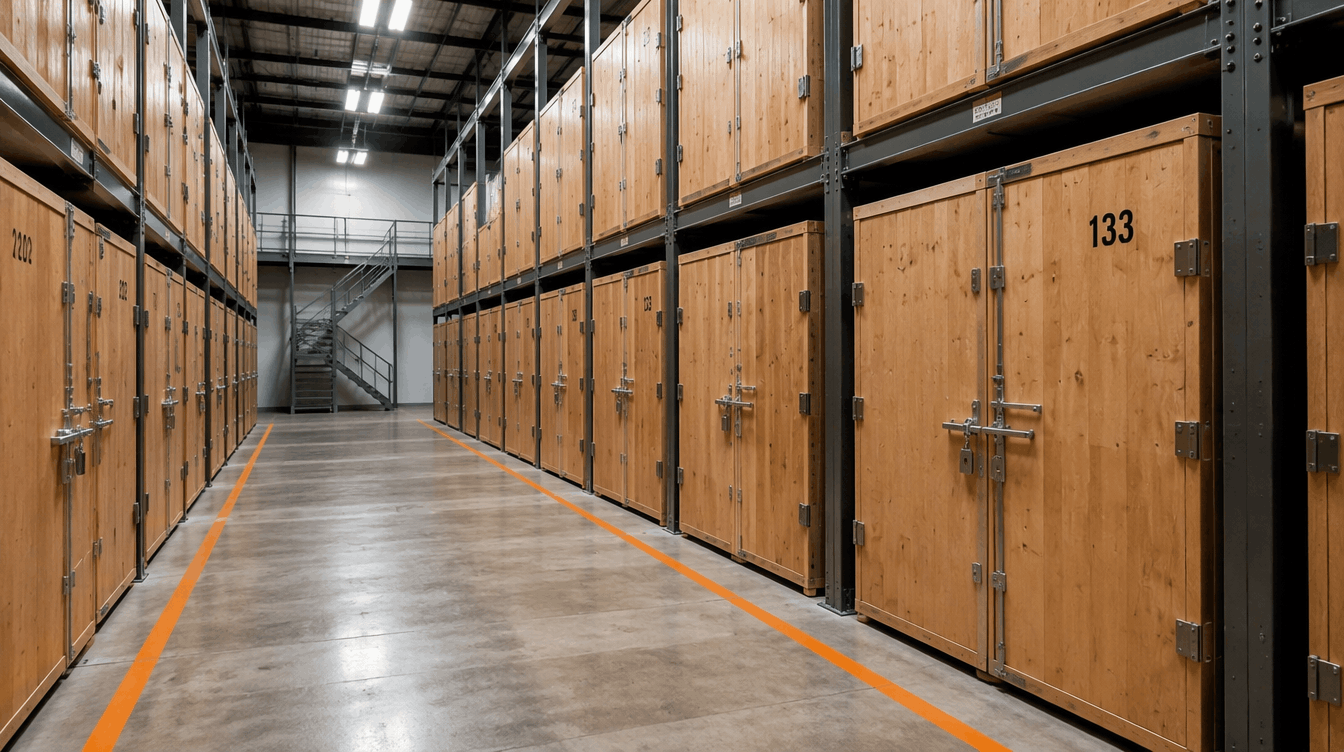
When does storage help during a move? Bridging closing dates, staging a move, downsizing and renovations, plus what to look for in a storage facility.

Binding, non-binding and not-to-exceed moving estimates explained. Learn which quote type protects you from surprise charges on delivery day. Free estimate.

When is the cheapest, easiest time to move in Pittsburgh? This month-by-month guide covers demand, pricing, and Pittsburgh-specific factors for every season.




