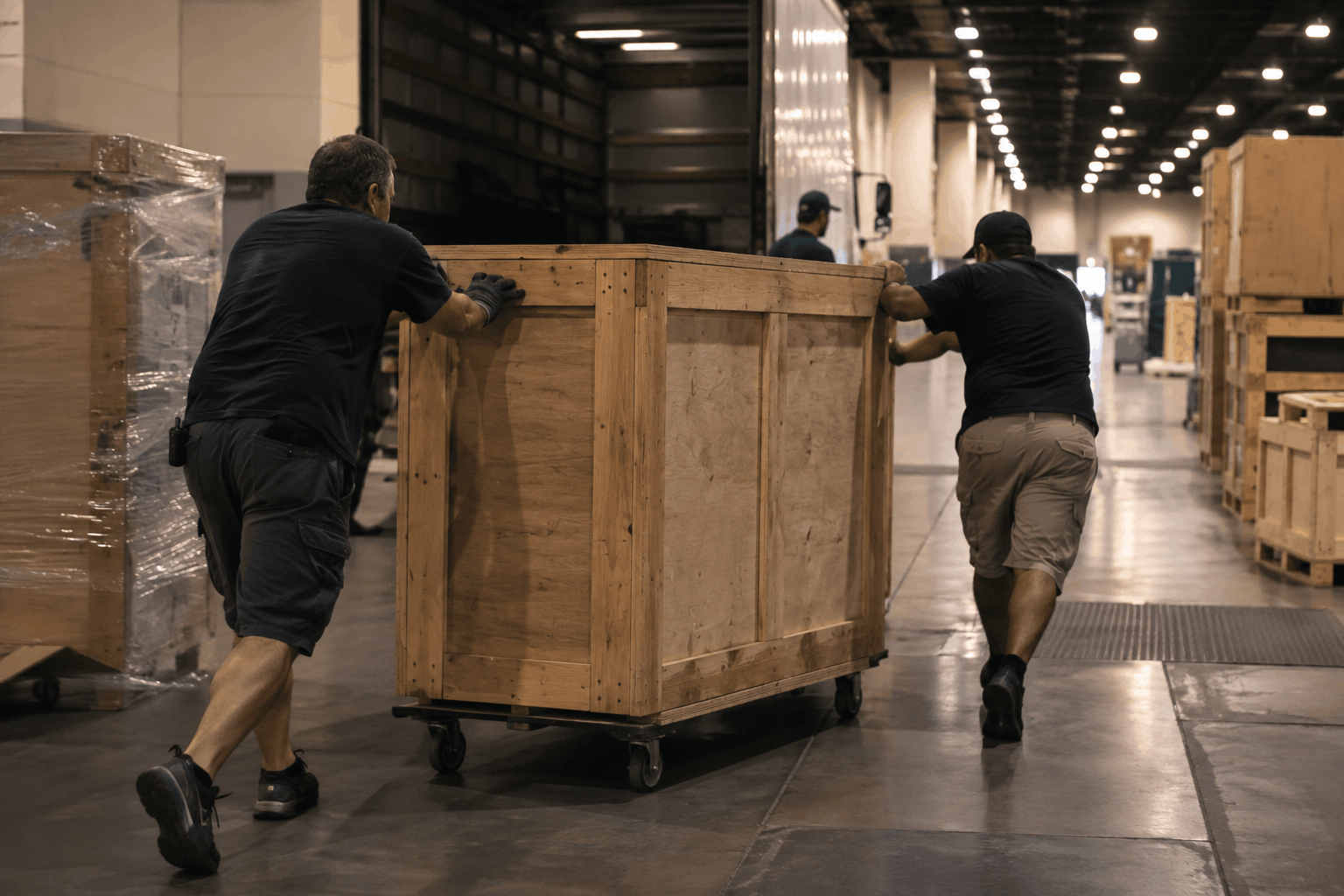


Planning an Interstate Move From Pittsburgh
An interstate move from Pittsburgh is a different kind of project than moving across town, and treating it like a bigger local move is where most of the trouble starts. Once your belongings cross a state line, the timeline stretches, the paperwork changes, and the delivery no longer happens the same afternoon you load. The distance itself is not the hard part. The hard part is coordinating a move that may span several days and hundreds of miles while keeping track of what you own, when it will arrive, and who to call when a question comes up. This guide walks through what actually changes on a long-distance move and how to plan around it, so the distance works in your favor instead of against you.

Start Planning Earlier Than You Think You Need To
A local move can come together in a couple of weeks. An interstate move rewards a longer runway, because the pieces that take time are the ones that are easy to underestimate: scheduling a delivery window that works on both ends, sorting what makes the trip, and arranging any storage in between. Booking further ahead also gives you access to better dates, since long-distance capacity fills faster than local.
Use the extra time to work through your home room by room rather than in a last-week scramble. A move across the state is the natural moment to part with what you no longer use, because on a long-distance move you are effectively paying to transport weight and space over distance. Every box you decide not to bring is one less thing to handle twice. When you are ready to plan the logistics, our
long-distance movers in Pittsburgh can help you build a realistic timeline backed by more than fifty years of moving families out of the region.
Build a Real Inventory
On a local move, a rough count is usually enough. On an interstate move, a detailed inventory matters, because your belongings travel farther, may share transport, and are out of your sight longer. A written record of what you are shipping protects you and gives everyone a shared reference if a question comes up at delivery.
Go room by room and note the major items and the box count, flagging anything high-value or fragile that needs special handling. This inventory is also the document that makes the destination easier: knowing what is coming and where it goes turns unloading from guesswork into a plan. Keep a copy for yourself rather than relying on memory once the truck pulls away.
Understand How Delivery Windows Work
The biggest adjustment for first-time long-distance movers is that delivery is a window, not a moment. Unlike a local move where everything arrives the same day, an interstate move typically has a delivery spread that accounts for distance, routing, and the realities of long-haul transport. Knowing this up front lets you plan the gap rather than be surprised by it.
Plan for the days between load and delivery. Pack a personal bag with what you will need immediately at the new home, so you are not waiting on the truck for essentials. If your new place is not ready to receive everything on arrival, short-term
storage in Pittsburgh or at the destination can bridge the gap and keep your belongings secure until you are ready for them. Building that flexibility into the plan is far easier than improvising it mid-move.
Keep One Point of Contact
Distance multiplies the number of things that can go sideways, and the single best protection is knowing exactly who to call. A move handled end to end by one company, rather than handed off between an origin crew, a carrier, and a destination crew who have never spoken, means your questions have one answer and your belongings have one chain of accountability.
This continuity is what separates a move that feels managed from one that feels like a relay. When the same organization that loaded your home is accountable for its delivery, the inventory, the timeline, and the handling all stay connected. You can read more about how we approach moves of every distance at
Central Van & Storage, where the long-distance service is part of the same operation that handles local and commercial work.
Do Not Forget the Life Logistics
The truck is only half of an interstate move. The other half is everything that has to change because your address did: transferring utilities, updating your address with banks and the postal service, arranging school records if you have children, and handling vehicle registration and licensing in the new state. These are easy to defer and painful to forget.
Make a checklist early and work it alongside the physical move. A household relocation involves both the boxes and the paperwork, and our
household relocation resources cover the packing and preparation side so you can focus the rest of your attention on the life admin that only you can do.
A Note for Suburban Moves
If you are leaving from one of the northern suburbs, the origin logistics can differ from a city move. A departure from a neighborhood like Cranberry Township may mean easier truck access and parking than a downtown high-rise, but longer drives to consolidate. Factoring your specific starting point into the plan, rather than assuming a generic Pittsburgh pickup, keeps load day predictable.
Frequently Asked Questions
How far in advance should I book an interstate move?
Earlier than a local move. Long-distance capacity and preferred delivery windows fill faster, and the planning itself, from inventory to sorting what makes the trip, takes longer. Giving yourself a generous runway means better dates and a calmer process.
Why does delivery take longer on a long-distance move?
Because your belongings travel farther and the move is routed for efficiency over distance, delivery on an interstate move is a window rather than a same-day event. Planning for the gap, with a personal essentials bag and storage if needed, keeps it from being a problem.
Should I get rid of things before moving out of state?
It is worth considering. On a long-distance move you are transporting weight and space over distance, so decluttering before the move reduces what you handle and simplifies both the load and the unpack. A cross-state move is a natural reset point.
Is it better to use one company for the whole move?
For an interstate move, a single point of contact end to end means one chain of accountability for your belongings and one answer to your questions, rather than a handoff between crews who have never coordinated. That continuity is one of the biggest advantages on a long-distance move.
Moving Out of State Without the Guesswork
An interstate move from Pittsburgh comes together when you start early, inventory carefully, plan around a delivery window, and keep one point of contact from load to delivery. Handle the life logistics alongside the physical move, build in storage flexibility where you need it, and the distance stops being the obstacle it first appears to be.