

Moving Heavy Machinery and Plant Equipment the Right Way
Moving heavy machinery is where an industrial relocation is either finished cleanly or turned into a costly recovery job. A CNC machine, a press, a large compressor, or a production line is not simply heavy. It is a precision asset that has to come off its foundation, travel intact, and be set, leveled, and reconnected so it runs exactly as it did before. The difference between a machine that produces on day one and a machine that limps back into service over weeks usually comes down to the crew, the rigging, and the plan. This guide covers how heavy equipment is moved safely, from de-installation and load-out through transport and reassembly on the new floor.
Assess the Machine Before You Touch It
Every heavy move starts with knowing what you are moving in real terms: weight, center of gravity, dimensions, anchor points, and how the machine attaches to power, air, hydraulics, or a foundation. A machine that looks straightforward can carry a high or uneven center of gravity that changes how it must be lifted and secured. Documenting this up front determines the rigging gear, the path out of the building, and the transport method.
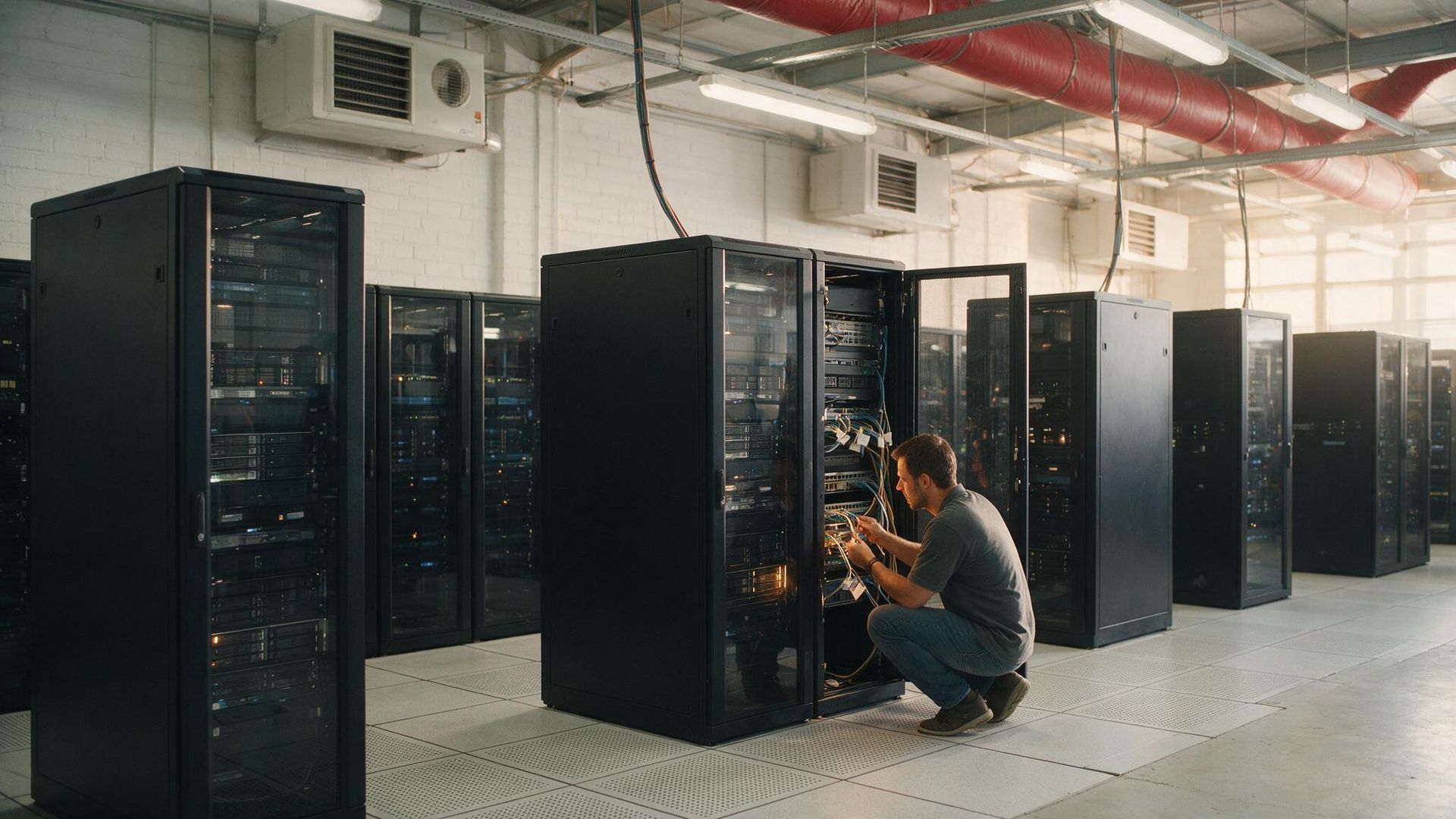
This is also the stage to capture the machine's current setup: how it is wired, plumbed, and calibrated, so reassembly reproduces it rather than reinventing it. Photographs and reference measurements taken before disassembly save hours at the destination.
Rigging and De-Installation
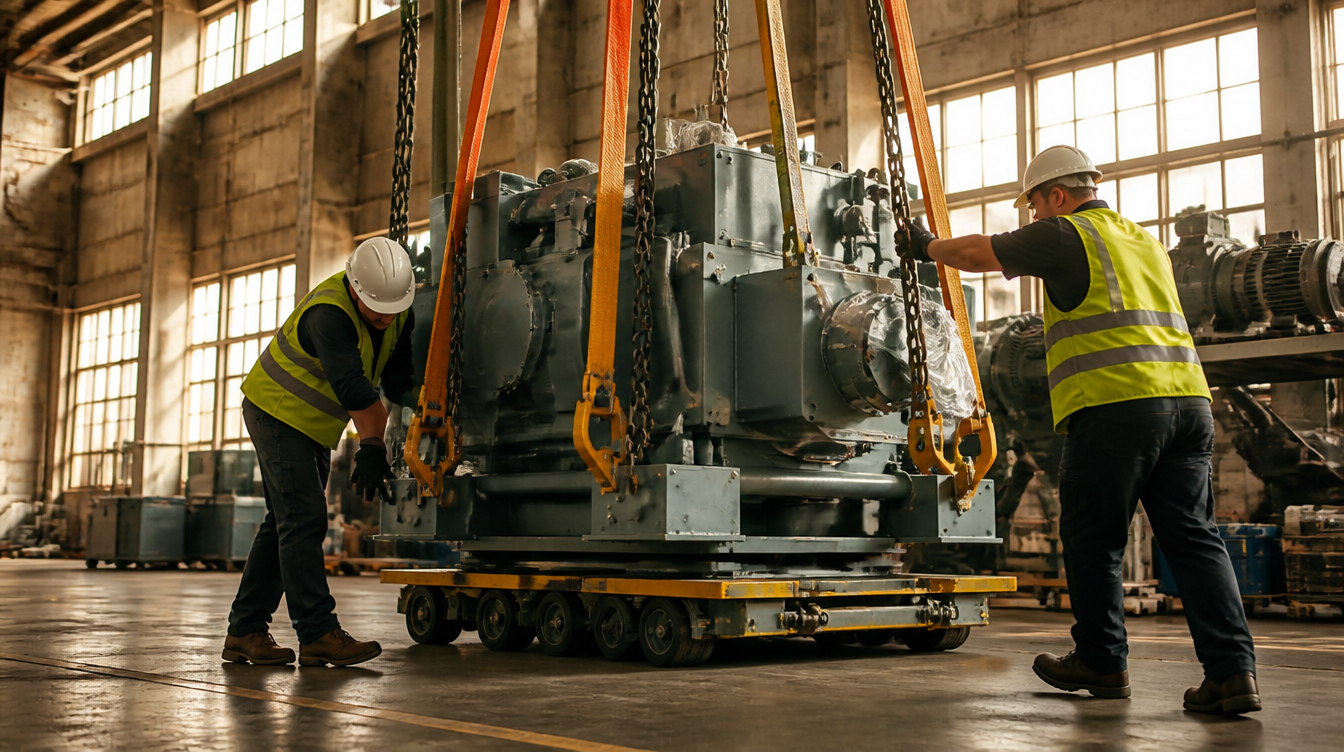
Rigging is the specialized discipline of lifting and moving loads that ordinary handling cannot manage safely. It uses cranes, gantries, skates, jacks, and dollies matched to the weight and the space, and it depends on a planned lift path clear of obstructions. Where machinery is bolted to a foundation or hard-connected to utilities, a millwright disconnects and prepares it for the move, then re-sets and aligns it at the destination.
The order of work matters. Utilities are disconnected and made safe, the machine is freed from its mounting, and it is rigged onto moving equipment along a path that has been cleared and measured in advance. Rushing de-installation to save an hour is how a machine gets damaged before it ever reaches the truck.
Plan the Load-Out So Nothing Waits
Load-out is the choreography of getting equipment out of the building and onto transport in the right order, and it is where a plan proves its worth. Staging should be arranged so machines move in a sequence that keeps the dock clear and nothing sits exposed longer than it has to. The same discipline that governs an
industrial decommissioning project applies here: know what leaves first, what leaves last, and where each piece goes, before the first machine moves.
A path measured in advance prevents the worst kind of delay, the machine that will not fit through the door it was supposed to exit. Door widths, floor load ratings, turning clearances, and elevator or ramp limits all get checked while there is still time to solve them.
Transport Heavy Loads Safely and Legally
Once loaded, heavy and oversized equipment has to travel secured against shifting, and loads that exceed standard dimensions or weight carry legal requirements on top of the physical ones. Oversize and overweight loads in Pennsylvania may require permits from PennDOT and, in some cases, escorts and approved routing. Building this into the timeline matters, because a permit or route restriction discovered late can hold a load on the dock.
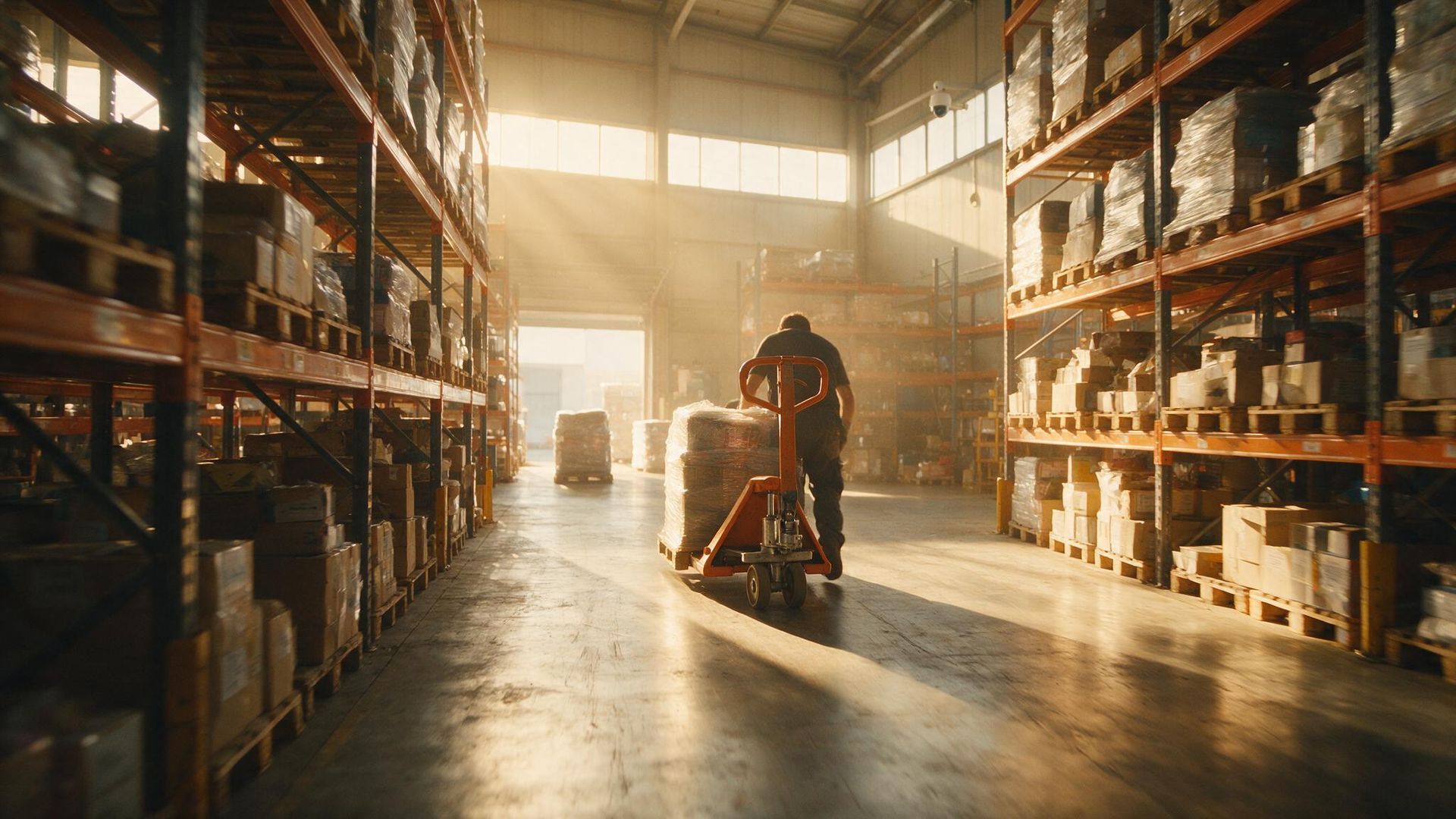
Securement is not an afterthought. Machinery is blocked, braced, and tied down to handle the forces of transport, so it arrives in the same condition it left. For equipment that also needs to be stored between sites, or staged before the destination floor is ready, coordinating transport with
warehousing and logistics capacity keeps assets secure rather than parked and waiting.
Reassembly, Leveling, and Startup
Setting the machine on the new floor is only the beginning of reassembly. Heavy equipment usually has to be precisely leveled and, in many cases, anchored to a foundation before it can run true. Utilities are reconnected, alignments are checked against the reference taken before the move, and the machine is tested before it goes back into production. Skipping the leveling and alignment step is how a machine that survived the move still produces out of tolerance.
A move into a modern facility in an industrial corridor near
Pittsburgh often pairs the machinery move with a broader plant or office relocation, and sequencing the two together keeps the production floor from waiting on the rest of the building.
Frequently Asked Questions
What is the difference between rigging and regular moving?
Rigging is the engineered lifting and moving of loads too heavy or awkward for standard handling, using cranes, skates, jacks, and dollies along a planned path. Regular moving handles items a crew can manage with hand equipment. Heavy machinery almost always needs rigging, and often a millwright to disconnect and re-set it.
Do I need permits to move heavy equipment?
If a load exceeds standard size or weight limits on the road, yes. Oversize and overweight loads in Pennsylvania can require PennDOT permits and sometimes escorts or specified routing. This should be identified early in planning so it does not delay the move.
How do you prevent damage to precision machines?
By documenting the machine before disassembly, using rigging matched to its weight and center of gravity, securing it properly for transport, and leveling and aligning it at the destination against the original reference. The care is in the preparation, not just the lift.
Can machinery be stored during the move?
Yes. When the destination floor is not ready, equipment can be staged in secure storage and delivered when the site can receive it, which keeps a machine from sitting exposed on a dock or in a truck.
Get Your Equipment Moving Without the Downtime
Moving heavy machinery well is a matter of assessment, rigging, a measured load-out, legal transport, and precise reassembly, handled by a crew that does this work rather than one that hopes it goes fine. Central Van & Storage has relocated industrial and plant equipment across Pennsylvania, West Virginia, and Ohio since 1968. Call 412-341-0820 or request a free quote to plan your heavy equipment move.