

How to Handle a Distribution Center Relocation Without Stalling Fulfillment
A distribution center relocation is a logistics problem before it is a moving problem. Every day the operation is dark is a day orders do not ship, and for a business that fulfills to customers or retail partners, that gap is felt immediately down the line. The instinct is to move fast and reopen quickly, but speed is not the goal. Continuity is. The distribution centers that relocate well are the ones that treated the move as a phased operation, kept the highest-velocity inventory shipping throughout, and stood up the new floor before the old one closed. This guide covers how to plan a warehouse move that protects fulfillment, from mapping your SKUs to running both sites in parallel during the transition.
Map Your Inventory by Velocity, Not Just Volume
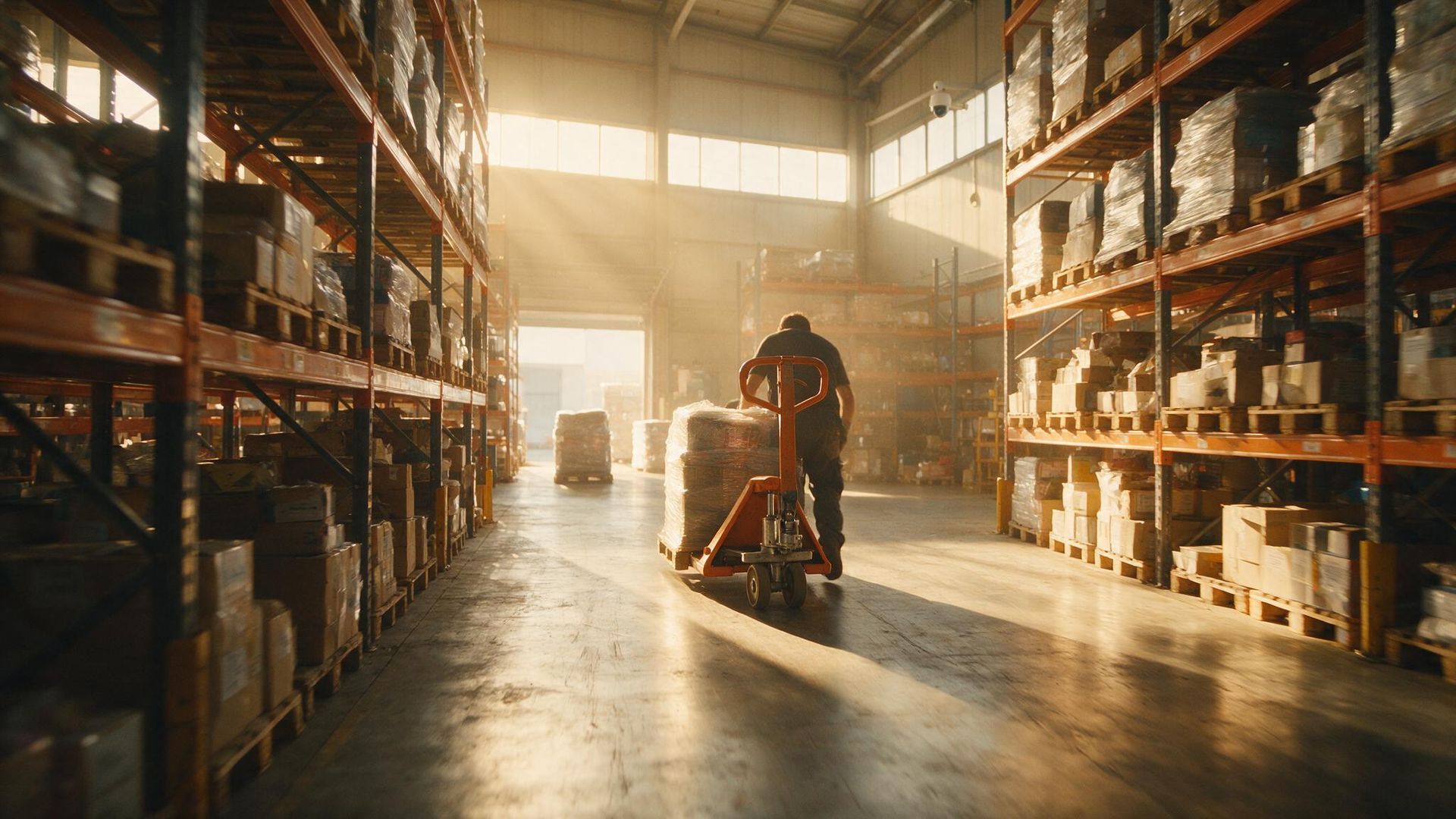
The first mistake in a warehouse move is treating all inventory the same. It is not. A small share of your SKUs almost certainly drives the majority of your outbound orders, and those fast movers are the ones that cannot go offline. Before anything ships to the new site, classify inventory by how often it turns, so the move plan is built around what customers are actually ordering rather than what happens to be nearest the dock.
This mapping also exposes the slow and dead stock that should not make the trip at all. A relocation is the natural moment to clear obsolete inventory, because moving it costs the same as moving product that sells. Every pallet you do not move is a pallet you do not pay to handle twice.
Phase the Move So Orders Keep Shipping
A single-weekend, everything-at-once move works for a small operation and fails for a busy one. For most distribution centers, a phased move protects fulfillment far better. The principle is simple: slow-moving inventory relocates first, while fast movers keep shipping from the original site until the new one is ready to take that volume.
A workable sequence looks like this in practice:
- Phase one: move slow and seasonal stock to the new site and rack it, while the current site handles all live orders.
- Phase two: stand up receiving, picking, and shipping at the new site and begin fulfilling a share of orders from it, running both floors in parallel.
- Phase three: shift the fast-moving inventory once the new site has proven it can pick and ship at rate, then close the original floor.
Parallel operation is the part teams are tempted to skip to save cost, and it is the part that saves the move. Running both sites briefly means a problem at the new location does not stop shipments, because the old one is still live.
Protect Storage and Racking During the Transition
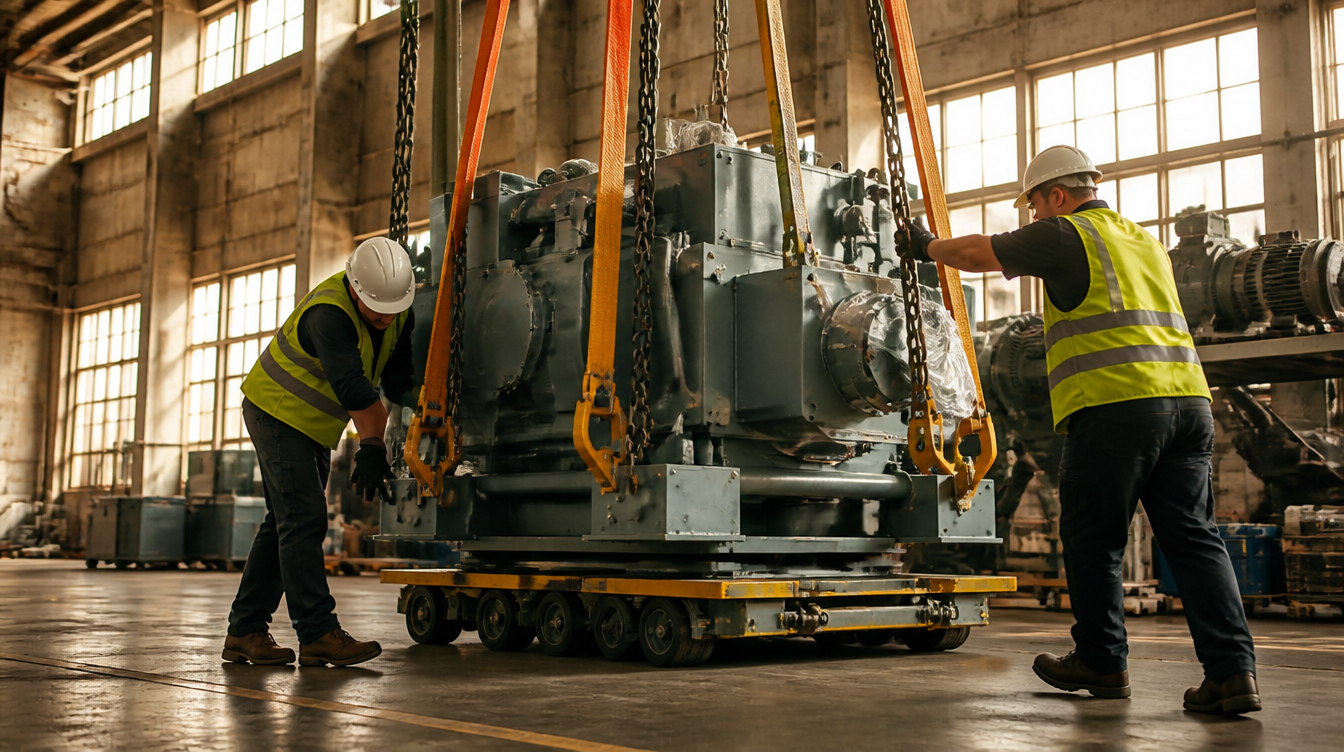
The physical move includes more than product. Racking, material handling equipment, and staging systems all have to come down, transport, and go back up in a configuration that supports the new floor plan, which is rarely identical to the old one. Plan the destination layout before the first pallet arrives, because rebuilding racking around inventory that is already in the building is far harder than the reverse.
For businesses that need somewhere to hold inventory between phases, or that outgrow their timeline mid-move, interim
warehousing and logistics capacity keeps product secure and accessible rather than stranded in transit. Bridging storage is often what makes a phased move possible without renting two full facilities at once.
Keep the Last Mile Connected
A distribution center does not operate in isolation. Its value is how quickly product reaches the next stop, whether that is a retail partner, a job site, or an end customer. When the physical address changes, so do the routes, and a move that ignores outbound logistics can reopen on schedule and still miss delivery commitments. Coordinate the relocation with your final mile delivery plan so that the handoff from warehouse to customer holds steady through the transition. The inbound move and the outbound flow are the same operation viewed from two ends.
Coordinate the Commercial Move Around the Operation
Relocating a distribution center usually means relocating offices, staff, and support functions alongside the warehouse floor. Those pieces should move on a schedule that serves the operation rather than competing with it, and that is easier when one team coordinates the whole relocation. Businesses moving within the region, from an aging facility to a modern one in an industrial corridor near Pittsburgh, benefit from a single plan that sequences the warehouse, the equipment, and the office together instead of treating each as a separate project.
Frequently Asked Questions
How long does a distribution center relocation take?
It depends on inventory volume and how much parallel operation the timeline allows, but the phased approach usually spans weeks rather than a single weekend. The extra time is what protects fulfillment. A rushed move that halts shipping often costs more in missed orders than the slower move would have cost in labor.
Can we keep fulfilling orders during the move?
Yes, and for a busy operation you should. Running both sites in parallel during the transition, with fast-moving inventory shipping from one floor while the other is built out, is the standard way to keep orders flowing through a warehouse relocation.
Should we move all our inventory?
No. A relocation is the best time to clear obsolete and dead stock, since moving it costs the same as moving product that sells. Classify inventory before the move and leave the deadweight behind.
What happens to our racking and equipment?
Racking and material handling equipment come down, transport, and get rebuilt to the new floor plan. The destination layout should be finalized before product arrives, because it is far easier to build racking into an empty building than to work around inventory that is already placed.
Move Your Operation Without Losing a Day
A distribution center relocation done right is invisible to your customers, because the orders never stop. That outcome comes from velocity mapping, a phased sequence, interim storage where you need it, and a plan that keeps the last mile connected throughout. Central Van & Storage has supported warehousing and logistics moves across Pennsylvania, West Virginia, and Ohio since 1968. Call 412-341-0820 or request a free quote to plan a relocation that keeps product moving.