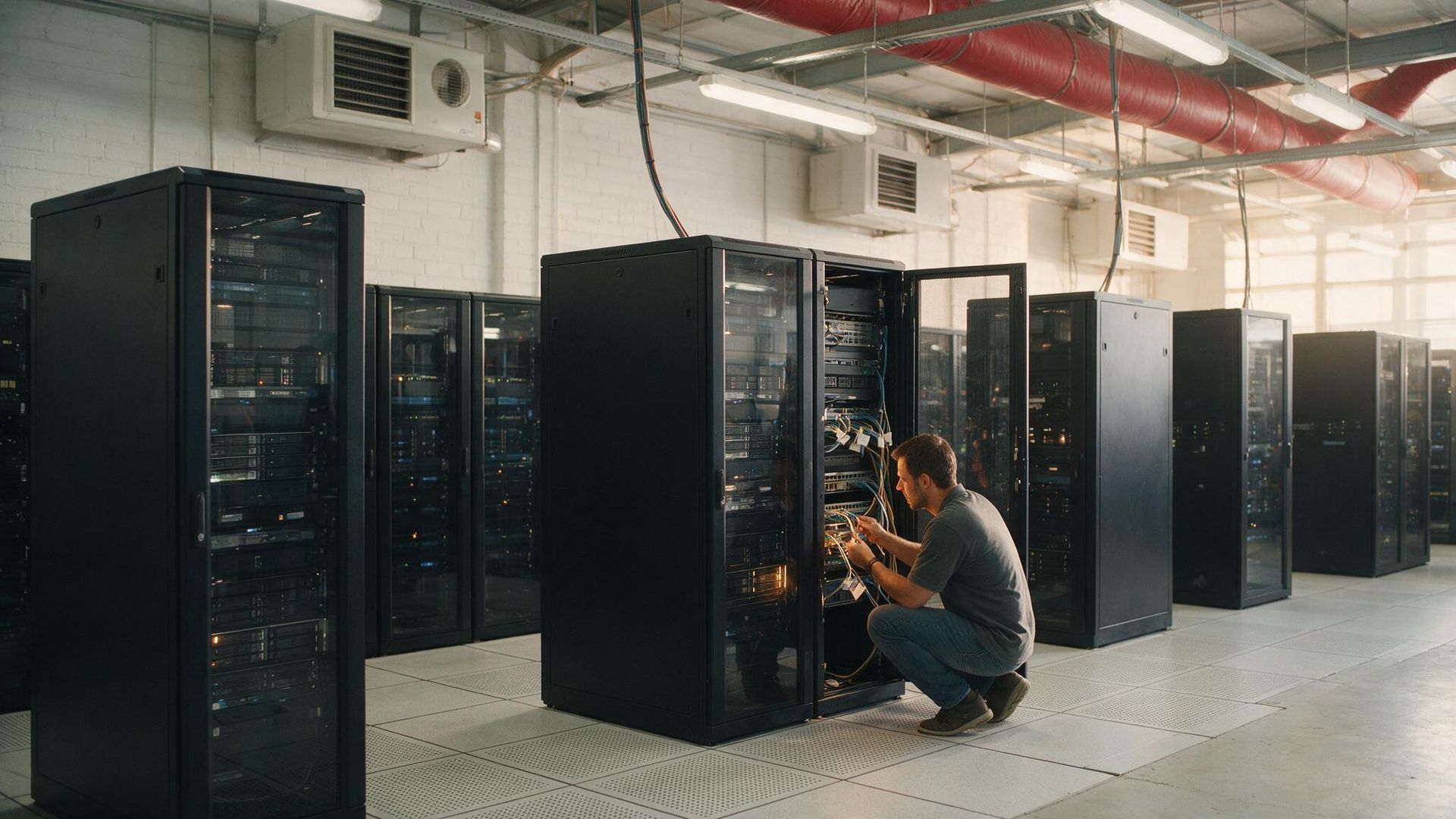


Relocating a Medical or Lab Facility in Pittsburgh
A medical or lab facility relocation carries stakes that a standard office move does not. Patient care cannot pause for a weekend, temperature-sensitive samples cannot sit on a warm dock, and a piece of diagnostic equipment that arrives out of calibration is not just an inconvenience, it is a facility that cannot open. Moving a clinic, a research lab, or a diagnostic center in Pittsburgh means planning around three constraints at once: an unbroken chain of custody for regulated and sensitive materials, safe handling of equipment that is both heavy and delicate, and a downtime window measured in hours rather than days. This guide covers how a healthcare or laboratory move is planned so the facility reopens on schedule and compliant.
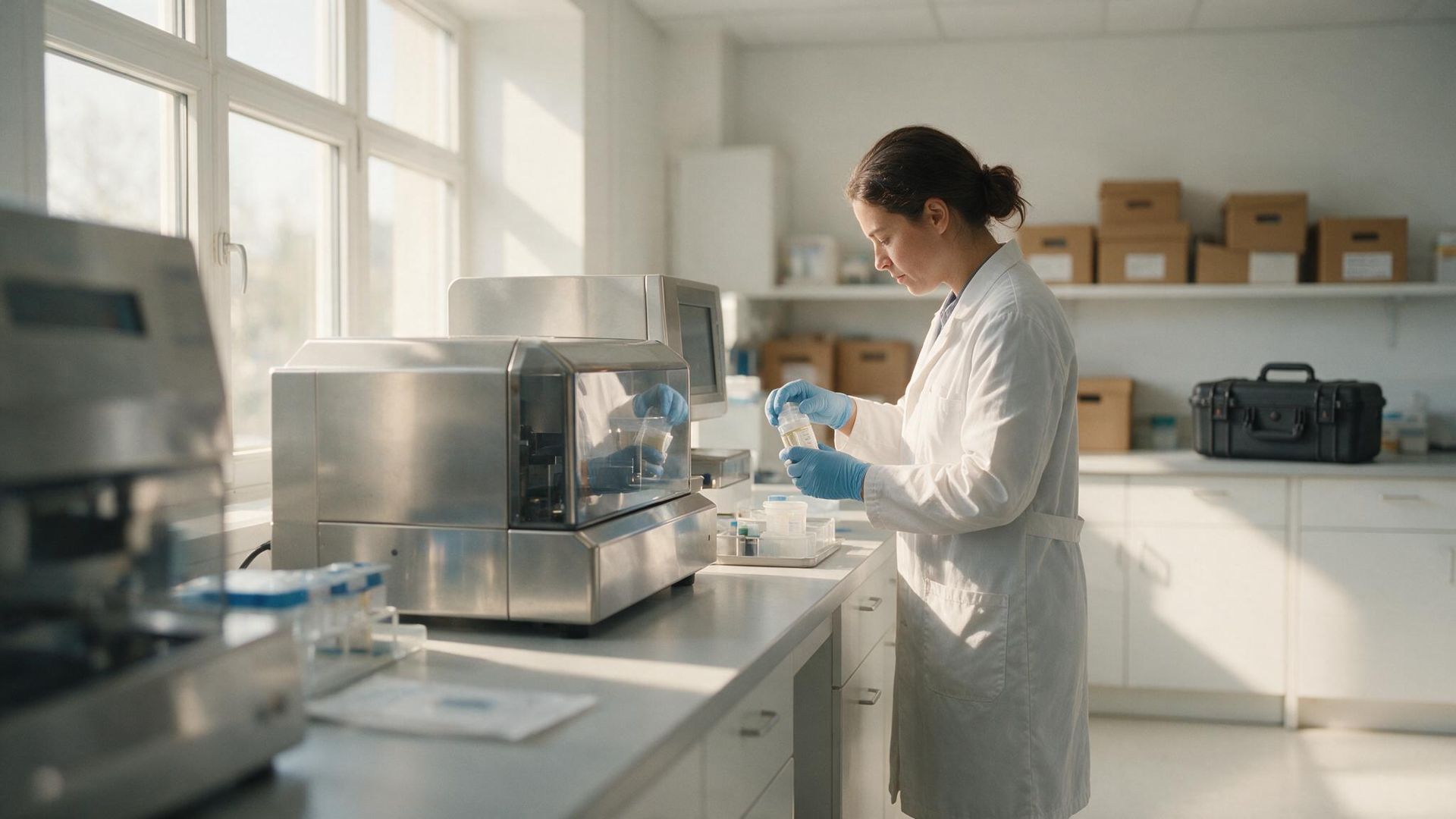
Build the Move Around Chain of Custody
In a medical or lab environment, tracking is not optional. Specimens, controlled substances, patient records, and calibrated instruments all require documented custody from the moment they leave the old facility until they are confirmed in place at the new one. The move plan should assign accountability for each category, with a record of who handled what and when, so nothing depends on memory and every regulated item can be traced end to end.
This is where a general commercial crew and a specialized one diverge. The physical transport is straightforward; the documentation discipline around it is what keeps the facility compliant. Plan the custody trail before the boxes are packed, not after.
Handle Temperature-Sensitive and Regulated Materials First
Refrigerated samples, reagents, and biological materials are the items with the least tolerance for delay. They should be the last to leave the source site and the first to be placed and powered at the destination, so their time outside a controlled environment is as short as possible. That means the destination cold storage has to be live and verified before those materials move, not brought up around them.
Regulated materials that require special handling, such as controlled substances or hazardous chemicals, follow their own documented protocol and are never batched in with general freight. Sequencing these correctly is the single most important scheduling decision in a lab move.
Protect and Recalibrate Sensitive Equipment
Diagnostic and laboratory equipment is precision gear, and much of it is heavy enough to require more than careful hands. Imaging systems, analyzers, centrifuges, and large sterilizers often need to be de-installed by qualified technicians, moved with proper equipment, and recalibrated on arrival before they can be used. Treating this equipment like ordinary furniture is how a facility ends up with a machine that survived the trip but reads inaccurately.
When a move involves instruments that exceed a safe manual lift, the same rigging discipline used for
industrial heavy equipment applies: planned lift paths, proper gear, and load-out staged so nothing sits waiting. High-value and irreplaceable items move under the care our
specialty moving teams apply to sensitive equipment, with protection matched to what the item actually needs rather than a one-size approach.
Compress the Downtime Window
A medical facility cannot afford the open-ended downtime a business office might tolerate. The move has to be planned so critical functions are dark for the shortest possible window, which usually means moving in a deliberate order over off-hours rather than closing the whole facility at once. Some functions may run in parallel, staying live at the old site until the new one is confirmed ready to take them.
Compressing downtime is a sequencing problem, and it is solved in the plan long before move day. Identify what has to stay operational, what can go dark briefly, and what has to be built and tested at the destination in advance, then build the schedule backward from reopening.
Navigate Pittsburgh's Building and Access Realities
A local Pittsburgh move brings logistics that have nothing to do with the equipment. Hospital campuses, medical office buildings, and research facilities come with freight elevator scheduling, restricted access hours, loading dock limits, and sometimes coordination with an operating facility next door. A move into a medical office in a suburb like McCandless Township or across a downtown campus depends as much on securing the right access window as on packing the right way. Our commercial movers in Pittsburgh coordinate these building requirements as part of the plan, so the crew is not discovering a two-hour dock window on the morning of the move.
Frequently Asked Questions
How is a lab move different from a normal office move?
The equipment, the materials, and the compliance requirements. A lab move has to maintain chain of custody for regulated items, keep temperature-sensitive materials within a controlled range, and handle precision instruments that need recalibration. An office move has none of those constraints, which is why the two should not be planned the same way.
Can a medical facility stay open during the move?
Often, yes, in part. Critical functions can run in parallel from the original site while the new facility is built out and tested, then transition over a short window. Fully closing is sometimes unavoidable, but the goal is always to keep the downtime window as narrow as the facility allows.
Who moves sensitive lab and diagnostic equipment?
Precision instruments should be de-installed by qualified technicians where required, transported by a crew experienced with sensitive and heavy equipment, and recalibrated on arrival. It is not work for a general-purpose crew, because the risk is not visible damage, it is a machine that reads wrong.
What about controlled substances and biological samples?
These follow documented handling protocols and a strict chain of custody, and they are never mixed with general freight. They typically move last from the old site and are placed first at the new one, into storage that has been verified live in advance.
Reopen On Schedule and Compliant
A medical or lab facility relocation succeeds when the doors open on time, the equipment reads true, and every regulated item can be accounted for. That comes from planning the custody trail, sequencing sensitive materials, protecting precision equipment, and compressing downtime, all coordinated around the building's real access limits. Central Van & Storage has handled sensitive commercial moves across Pennsylvania, West Virginia, and Ohio since 1968. Call 412-341-0820 or request a free quote to plan your facility move.