

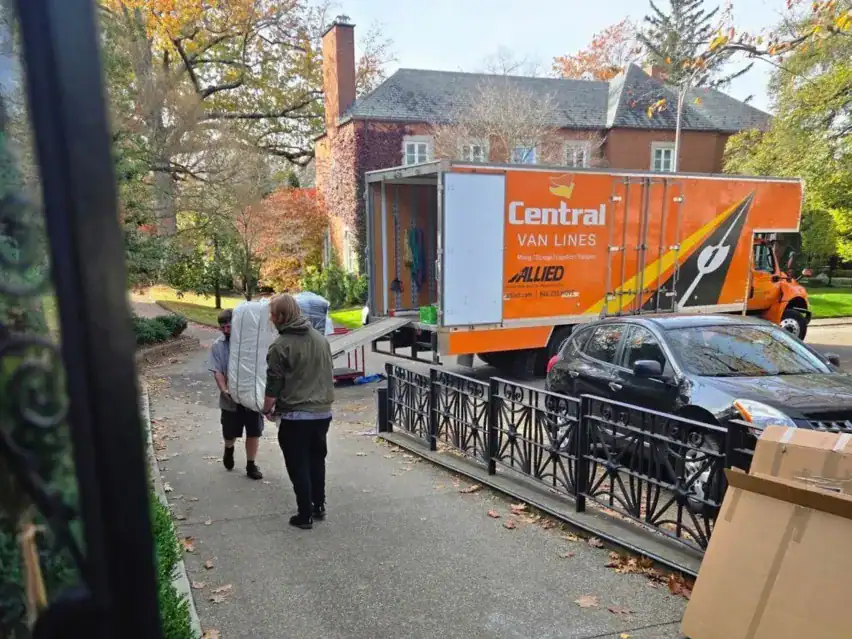
How to Choose a Moving Company: 10 Things to Check Before You Book

Picking a mover is one of the few moving decisions you cannot easily undo. Once your furniture is on someone else’s truck, the company’s licensing, paperwork, and habits matter a lot more than the price on the first quote. A careful hour of checking up front can save you weeks of frustration later.
This guide walks through ten specific things to check before you sign, with a focus on moves in and around Western Pennsylvania and West Virginia. Use it as a scorecard when you compare two or three companies side by side.
Check Credentials and Coverage
1. Confirm the USDOT Number and FMCSA Registration
Any company that moves household goods across state lines must be registered with the Federal Motor Carrier Safety Administration (FMCSA) and carry a USDOT number. A move from Pittsburgh to Morgantown or from Wheeling to Columbus counts as interstate, even if it is a short drive.
To check a mover:
- Ask for the company’s USDOT number (and MC number, if it has one).
- Look it up on the FMCSA website.
- Confirm the legal name and address match the company you are talking to.
- Review the operating status and any complaint history listed.
If a company cannot or will not give you its USDOT number, stop there. For moves that stay inside Pennsylvania, also ask about state authority and insurance, since intrastate rules differ from federal ones.
2. Verify Insurance and Valuation Options
Moving companies offer valuation coverage, which sets how much they are liable for if something is lost or damaged. On interstate moves, movers must offer two levels:
- Released Value Protection: included at no extra charge, but it covers only 60 cents per pound per article. A 50-pound television would be covered for about $30, no matter what it cost.
- Full Value Protection: the mover is responsible for repairing, replacing, or paying the current value of a damaged item, subject to the terms and any deductible you choose. It costs more.
Ask each company to explain both options in writing and to tell you what limits apply to high-value items like jewelry, art, or electronics. Our guide on what moving insurance covers breaks down the differences and when third-party coverage is worth a look.
Get Estimates You Can Compare
3. Get a Written Estimate Based on a Survey
A phone quote based on “three bedrooms, mostly furniture” is a guess. A reliable estimate comes from an in-home or virtual walkthrough where the estimator sees your rooms, closets, basement, garage, and attic.
Get every estimate in writing and make sure it lists:
- The services included (loading, transport, unloading, packing, if any)
- The estimated weight or volume of your shipment
- How you will be charged (hourly, by weight, or flat rate)
- Any extra fees, such as stairs, long carries, or shuttle service
Then understand what type of estimate you have. A binding estimate locks the price for the items listed, while a non-binding estimate can change based on the final weight or time. Our post on how moving estimates work explains the rules for each.
4. Compare At Least Three Companies
One quote tells you very little. Three quotes give you a range, and they make outliers easy to spot. If two estimates are close and a third is far lower, that low number deserves questions, not excitement. Lowball quotes are a common setup for price increases on moving day.
When you compare, line up the same scope of work. A quote that includes packing and Full Value Protection is not comparable to one that covers only loading and driving.
Spot Problems Early
5. Watch for These Red Flags
Some warning signs show up again and again in moving complaints. Be cautious of any company that:
- Asks for a large cash deposit before the move
- Gives a firm price without seeing your belongings in person or on video
- Has no physical address, or uses a different name on its paperwork
- Shows up with an unmarked rental truck
- Pressures you to sign blank or incomplete documents
- Does not provide the FMCSA booklet “Your Rights and Responsibilities When You Move” on an interstate move
A reasonable deposit to hold a date can be normal. A demand for a big share of the total in cash, up front, is not.
6. Ask Who Will Actually Do the Move
Some companies that take your booking are brokers, not carriers. A broker arranges the move and hands it to another company that owns the trucks. Brokers are legal when properly registered, but you should know who will be in your home and who is responsible if something goes wrong.
Ask directly: “Will your own employees and trucks handle my move?” If the answer is no, ask for the name and USDOT number of the carrier and check that company too.
Judge Fit and Track Record
7. Check Local Experience
Moving in this region has its own challenges. Pittsburgh has steep driveways, narrow city streets, and row houses with tight staircases. West Virginia moves can involve long rural driveways, mountain roads, and winter weather that changes plans fast. Downtown buildings often require elevator reservations and certificates of insurance.
A mover that works these routes regularly will ask about parking, truck access, and building rules during the estimate. If those questions never come up, the company may not be planning for them.
8. Read Reviews for Patterns
Online reviews are useful when you read them for patterns instead of star counts. Look for repeated comments about:
- Final bills that were higher than the estimate
- Late arrivals or missed delivery windows
- How the company handled damage claims
- Crew care with floors, walls, and furniture
Also notice how the company responds to negative reviews. A clear, professional reply suggests a business that takes problems seriously.
Confirm Services and Paperwork
9. Understand Services and Add-Ons
Make a list of everything you need before you call: packing, crating, piano moving, storage, appliance disconnection, or furniture disassembly. Confirm that each company actually provides these services and how they are priced.
If you want one team to handle packing, loading, transport, and setup at the new home, look for full-service residential movers and ask for a single estimate that covers all of it. That keeps responsibility in one place.
10. Review the Paperwork Before Moving Day
Before you sign anything, read it. For an interstate move, you should receive the estimate, an order for service, and a bill of lading on moving day. The bill of lading is your contract and your receipt, so check that the pickup and delivery dates, valuation choice, and price terms match what you agreed to.
Keep copies of everything, and take photos of valuable items before they are packed.
FAQs
How far ahead should I start looking for a moving company?
Four to eight weeks is a good target for most local and long-distance moves. During summer, at the end of the month, or around university move-in dates, start earlier because popular dates fill up.
Is the cheapest moving quote a bad sign?
Not always, but a quote far below the others should be checked carefully. Make sure it covers the same services and coverage, and ask whether it is binding or non-binding.
What is a reasonable deposit for movers?
Many movers ask for a modest deposit to reserve a date. Be wary of any request for a large cash payment before your belongings are loaded.
Do local moves require a USDOT number?
Moves within one state follow state rules instead of federal ones. Interstate moves always require FMCSA registration and a USDOT number. Ask any mover about its licensing for the specific move you are planning.
Should I buy Full Value Protection?
If your belongings would cost much more to replace than 60 cents per pound, Full Value Protection is usually worth comparing. Ask for the price and deductible options in writing.
Book a Mover You Have Checked
Choosing a moving company comes down to verifying credentials, getting a written estimate, understanding your coverage, and paying attention to red flags. Central Van Lines has moved families and businesses across Western Pennsylvania, West Virginia, Eastern Ohio, Western Maryland, and Eastern Kentucky since 1997, and we are happy to answer every question on this list. Request a free quote to get started.