

Moving to Pittsburgh: A Newcomer's Guide to Neighborhoods and Logistics

Pittsburgh surprises a lot of newcomers. The city has major hospitals, universities and tech employers, but it still feels like a collection of small neighborhoods tucked between rivers and hillsides. Housing costs tend to be lower than in many larger East Coast cities, and you can usually reach green space, a ballpark or a riverfront trail in a few minutes.
The same geography that gives Pittsburgh its character also shapes how a move works. This guide covers how the neighborhoods differ, what to expect on moving day, and the tasks to handle once you arrive.
How Pittsburgh Is Laid Out
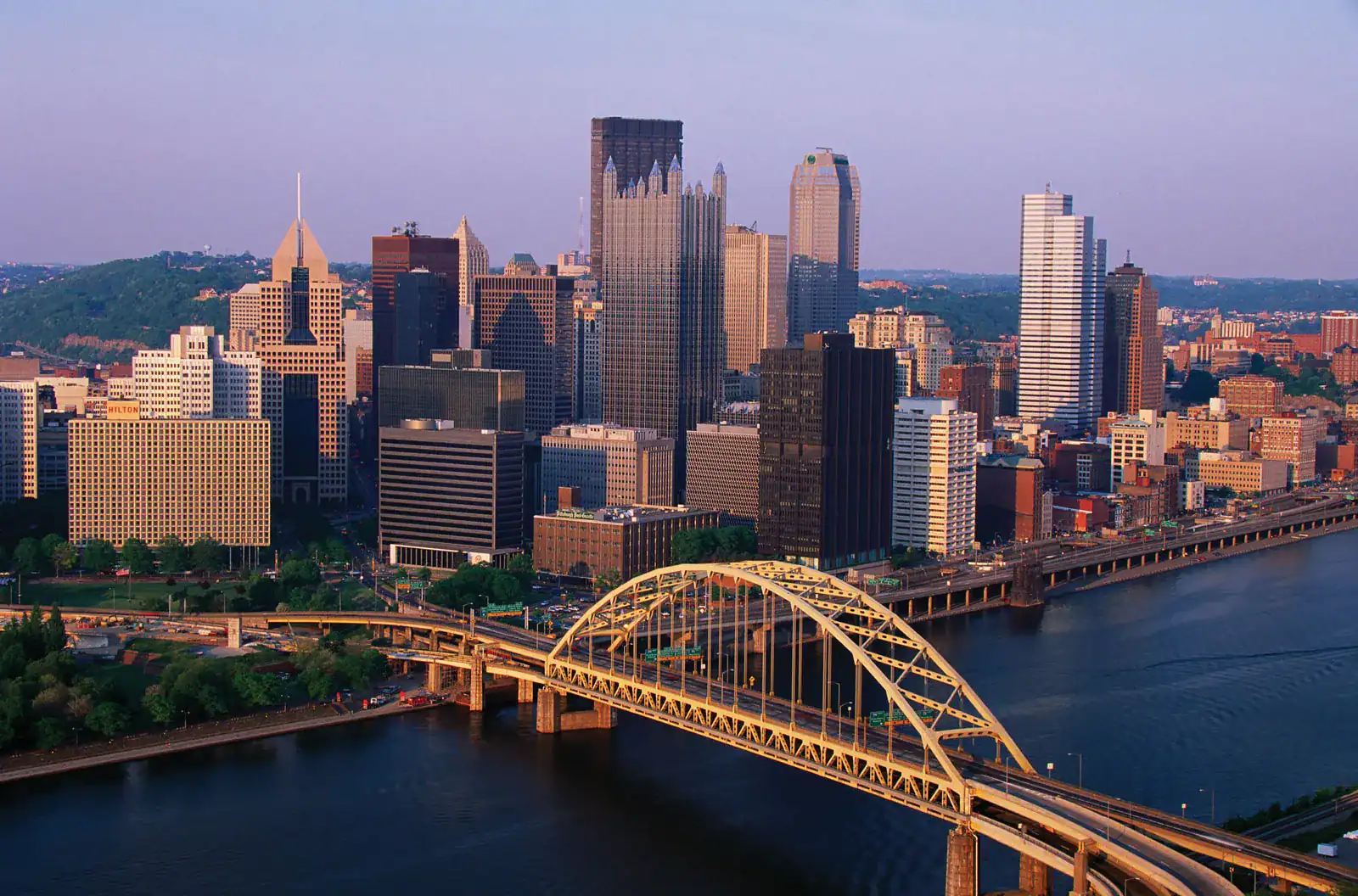
The city sits where the Allegheny and Monongahela rivers meet to form the Ohio. Downtown fills the point between them, and neighborhoods spread out across hills and valleys in every direction. Bridges and tunnels connect it all, and your commute often depends more on which bridge or tunnel you use than on raw distance.
Locals tend to describe areas by direction:
- East End: Oakland, Shadyside, Squirrel Hill, Lawrenceville, East Liberty and Highland Park. Close to the universities and major hospitals, with a mix of apartments, rowhouses and older single-family homes.
- South Side and South Hills: The South Side Flats and Slopes, Mount Washington, Brookline and Dormont. Steep streets, city views and quick light rail access in some areas.
- North Side: Neighborhoods like the Mexican War Streets, Allegheny West and Troy Hill, with historic homes close to the stadiums and Downtown.
- West End: Smaller, quieter neighborhoods with easy access to the Parkway West and the airport.
Picking a Neighborhood
Think about your commute first, then your housing type and budget. A neighborhood that looks close on a map can mean a long drive if it sits on the wrong side of a river during rush hour.
| If You Want | Neighborhoods to Look At |
|---|---|
| Walkable streets near universities and hospitals | Oakland, Shadyside, Squirrel Hill |
| Restaurants, nightlife and newer apartments | Lawrenceville, East Liberty, Strip District |
| City views and older homes | Mount Washington, South Side Slopes |
| Historic architecture near Downtown | North Side neighborhoods |
| More space and good schools | Suburbs such as Mt. Lebanon, Upper St. Clair, Cranberry Township or Fox Chapel |
If you need more room or want a specific school district, our guide to the best suburbs of Pittsburgh compares commute times and community feel across the region.
What Makes a Pittsburgh Move Different
Moving here involves a few challenges you may not have faced in flatter cities. Plan for them before you book a date.
- Hills and steps. Many homes sit above or below the street, with long flights of exterior steps. Some streets are so steep that trucks cannot park safely in front of the house.
- Narrow streets and tight parking. Older neighborhoods often have one-lane streets with cars parked on both sides. Large trucks may need to park around the corner, which adds carry time.
- Bridges, tunnels and weight limits. Trucks sometimes need specific routes to avoid low clearances or restricted bridges. An experienced local crew will plan this in advance.
- Downtown building rules. Many high-rise apartment and condo buildings require reserved freight elevators, set move hours and a certificate of insurance from your mover.
Renters should also expect building-specific requirements. Our guide to apartment moving rules in Pittsburgh covers elevator reservations, parking permits and lease timing in more detail.
Timing Your Move
When you move matters almost as much as where. A few calendar factors affect availability and cost:
- University calendars. Pitt, Carnegie Mellon, Duquesne and other schools turn over thousands of apartments each spring and late summer. Late April, May and the second half of August are busy for movers and tough for parking in Oakland and the East End.
- Summer peak. June through August is the busiest moving season everywhere, so book early if you need a weekend date.
- Winter weather. Snow and ice on steep streets can slow a move or shift the schedule. Leave some flexibility if you are moving between December and March.
- End of the month. Lease turnovers cluster here. A mid-month date often gives you more scheduling options.
Working With a Local Mover
A crew that knows the city will plan for long carries, parking, and the quickest truck route between neighborhoods. When you compare moving companies in Pittsburgh, ask each one:
- Whether the estimate is based on an in-home or virtual walkthrough
- How they handle steep steps, long carries and parking restrictions
- Whether a smaller shuttle truck might be needed, and how it is billed
- What valuation coverage is included, and what upgraded protection costs
- Whether they can provide a certificate of insurance for your building
If you are coming from another state, your mover must be registered with the FMCSA and should give you a USDOT number to verify. Interstate movers must also offer Released Value protection (60 cents per pound per article) and Full Value Protection.
Settling In After the Move
Once you are in, set aside time for the practical tasks that make you a Pennsylvania resident:
- Driver’s license and vehicle registration. Transfer both through PennDOT. Check its current deadlines and required documents before you visit.
- Parking permits. Many city neighborhoods use residential permit parking. Apply through the Pittsburgh Parking Authority if your street is in a permit zone.
- Utilities. Set up electric, gas, water and internet before move-in day. Service providers vary by address.
- Trash and recycling. Collection days and rules vary by city neighborhood and suburban borough, so look up your schedule early.
- Voter registration and schools. Register to vote and contact your school district about enrollment as soon as you have a lease or closing date.
FAQs
Is Pittsburgh a Good City to Move To?
Many newcomers find it a good balance of affordable housing, strong healthcare and university employers, and distinct neighborhoods. The main adjustments are the hills, winter weather and learning which bridges and tunnels fit your commute.
What Is the Best Neighborhood for Newcomers?
It depends on your commute and lifestyle. Shadyside and Squirrel Hill are popular with people working in Oakland, Lawrenceville draws younger renters, and many families look at the South Hills or northern suburbs.
How Far Ahead Should I Book Pittsburgh Movers?
Four to eight weeks is a good target for most moves. Book earlier if you are moving in summer, at the end of a month, or near Pitt and CMU move-in and move-out dates.
Do I Need a Parking Permit for the Moving Truck?
Some streets and buildings require one. Check with your building manager and the city before moving day, and ask your mover whether they handle any of the arrangements.
How Bad Are Pittsburgh Winters for Moving?
Snow and ice can make steep streets and steps slow and slippery, but winter moves happen all the time. Keep walkways clear, allow extra time and stay flexible on the date if a storm moves in.
Plan Your Move to Pittsburgh
Moving to Pittsburgh is easier when you choose a neighborhood around your commute, plan for hills and parking, and pick dates that avoid the busiest weeks. Central Van Lines is headquartered in Pittsburgh and has been moving households and businesses across the region since 1997. Request a free quote and we will help you plan your move into the city.